

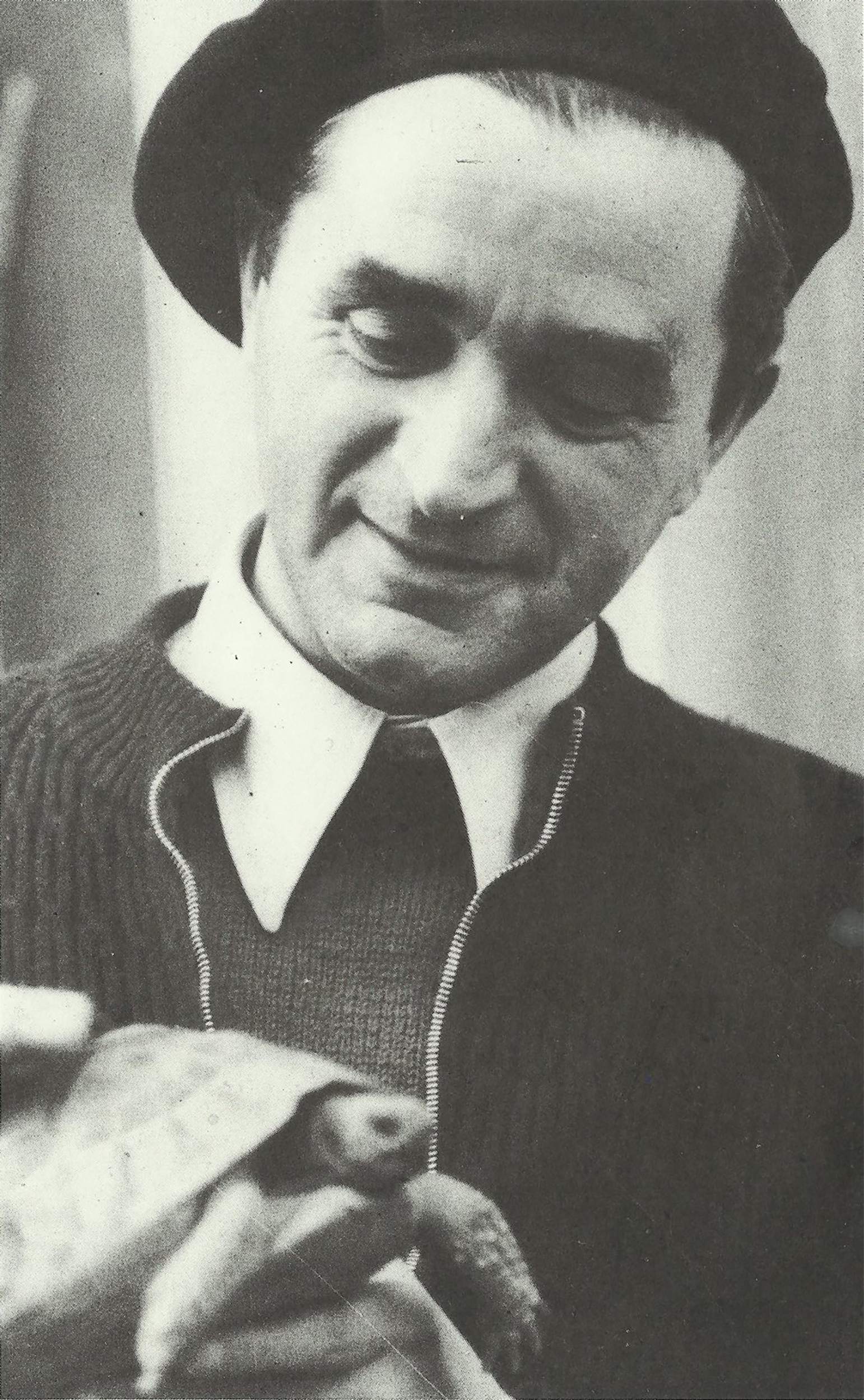
This nature, seen and interpreted by man, becomes a poignant meditation on solitude, abandonment, absence and silence — though these themes are only apparent. Man is not there because he inhabits another realm. Bartolini’s square fortresses, tangles of marks and walls bleached by the Tuscan sun have little in common with what we are accustomed to seeing. Lives, sorrows, sounds, beginnings, tragedies, passages.
Massive houses like ancient fortresses, neither empty nor inhabited, but primordial alphabets of every civilisation, letters in a vocabulary that only time will reveal. Yet time itself enters into dialogue with something eccentric and immeasurable: the sky and its clouds.
Without surface or contour, clouds occupy no fixed place and have neither definite shape nor boundaries. The cloud, ultimately, poses a challenge to painting itself: it reveals the limitations and imperfections of representation, confronting us with a perspective that cannot truly be depicted.
Bartolini’s skies thus become a boundary, an elusive figurative presence in which the immaterial and the contingent seem to prevail.
OPERE DISPONIBILI
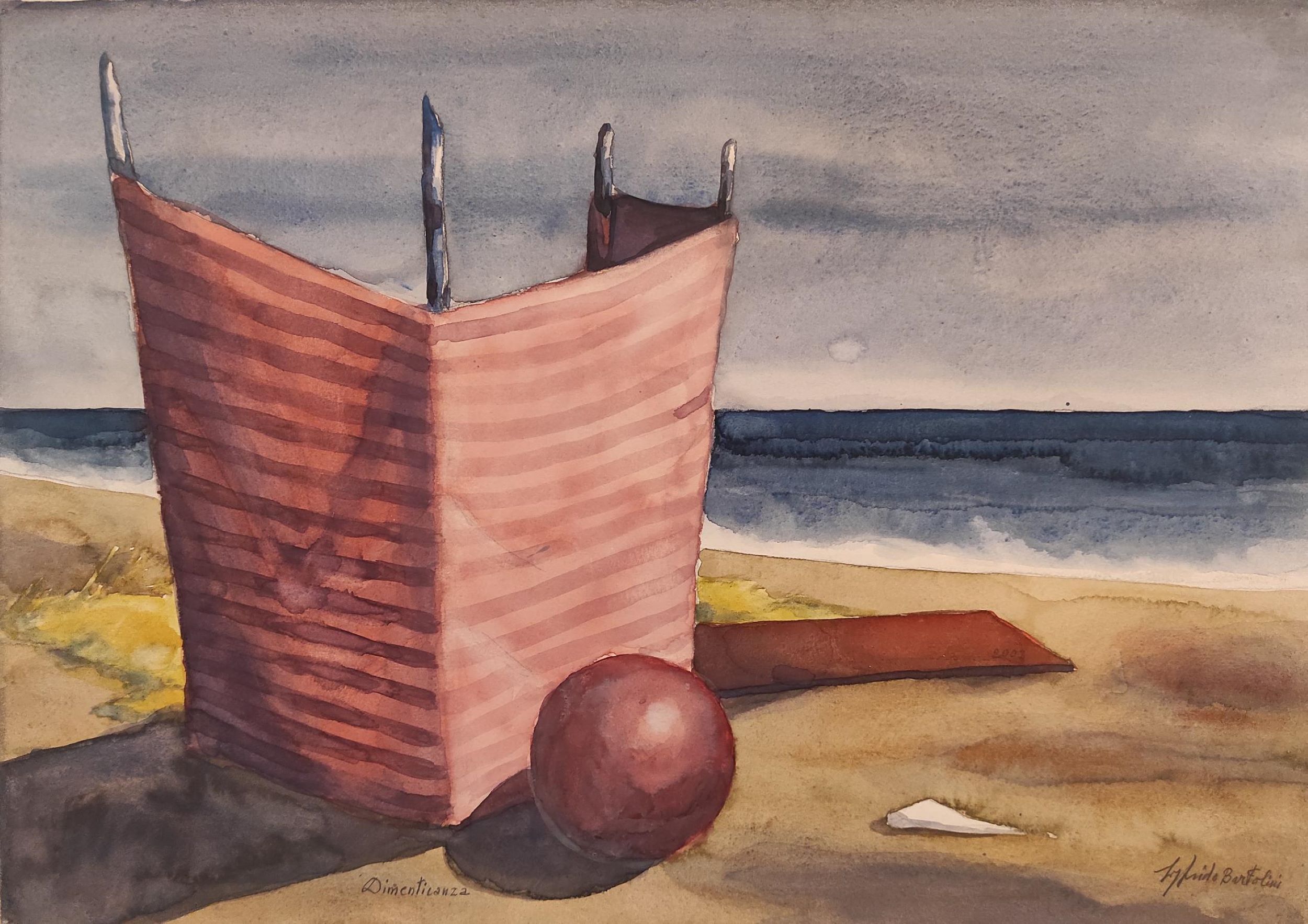
Dimenticanza
Acquerello
cm 38 x 50, 2003
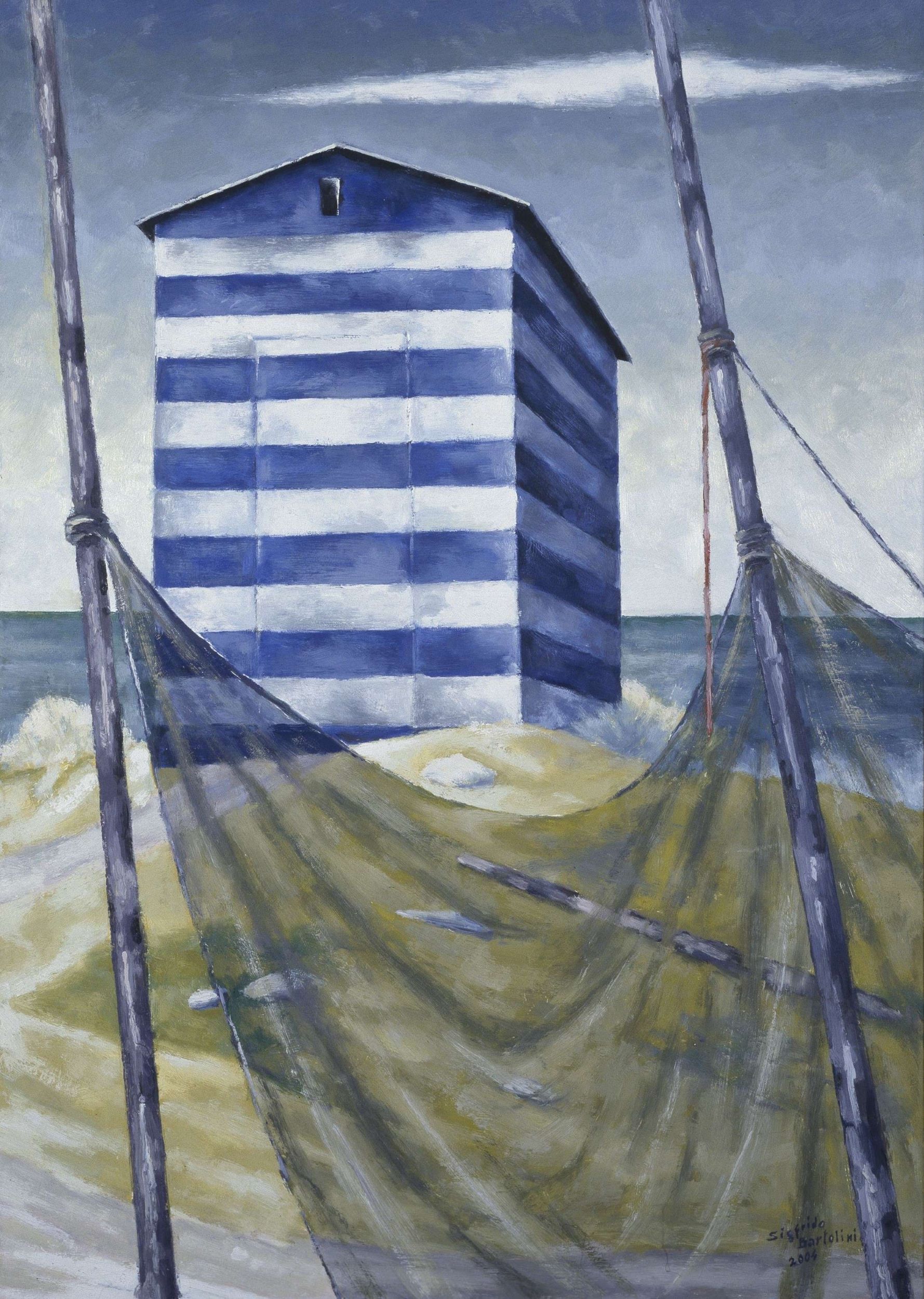
Cabine a righe
Olio su tela
cm. 102 x 72, 2004
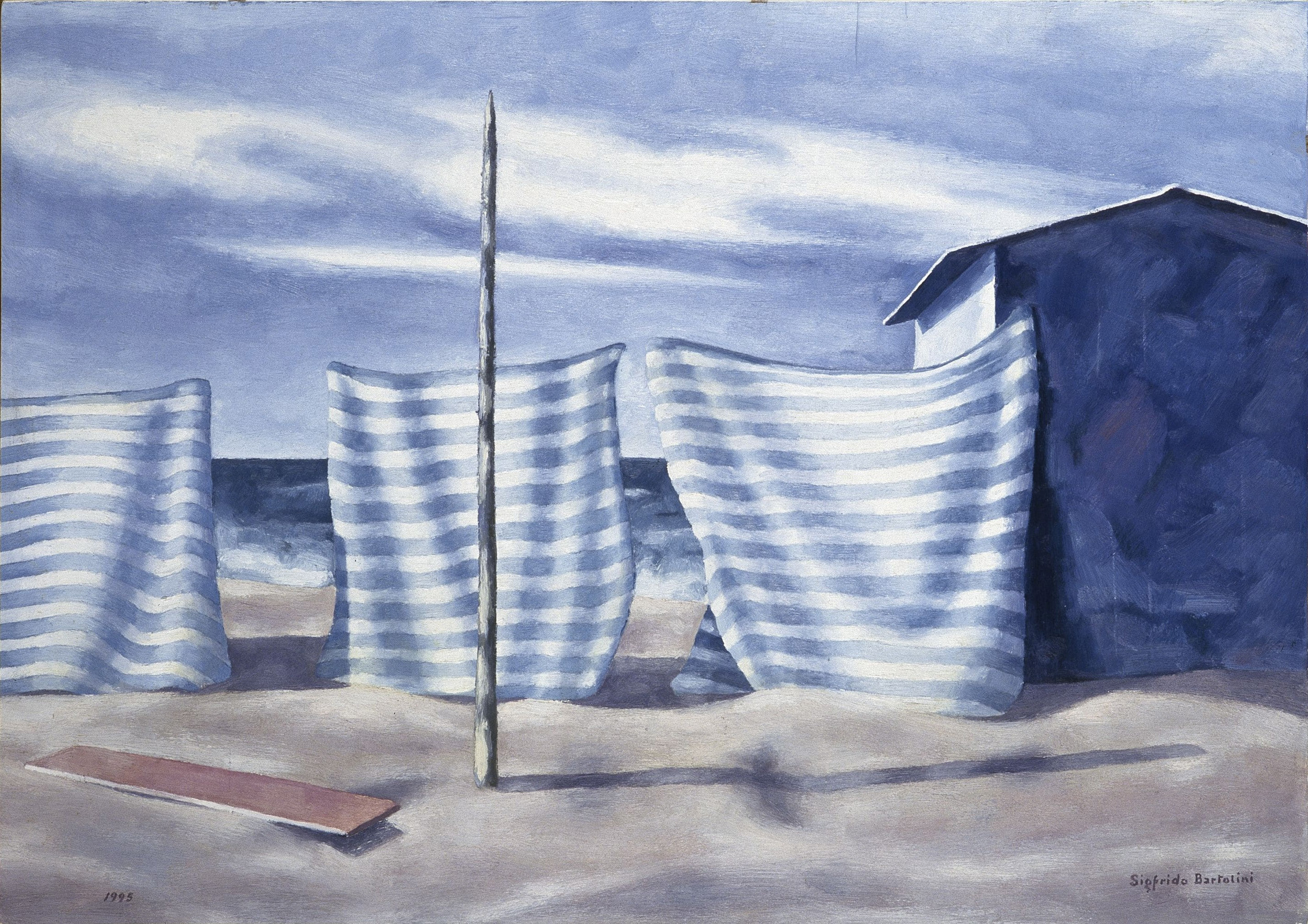
Tende sul mare
Olio su tavola
cm. 53 x 73, 1995
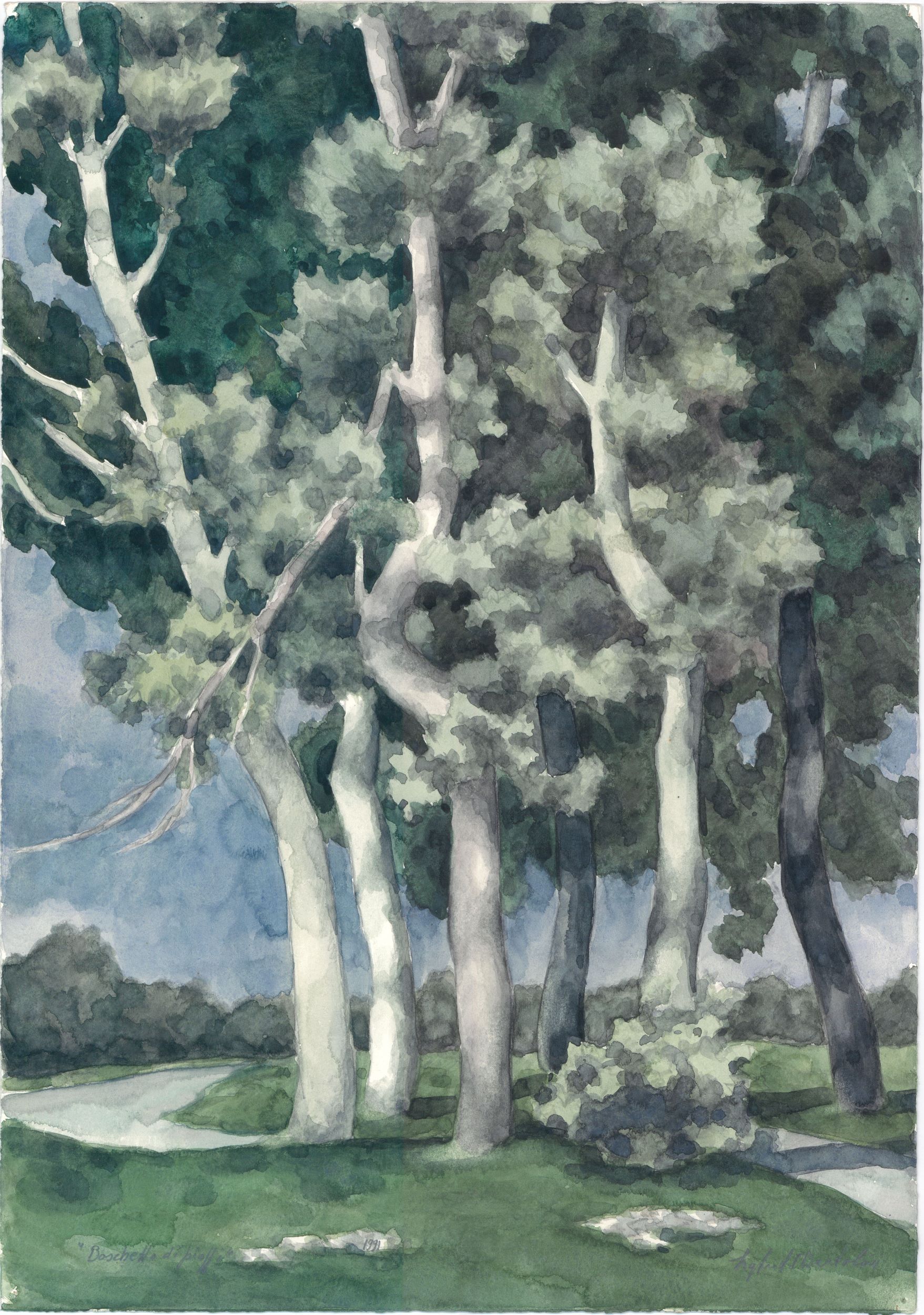
Boschetto di Pioppi
Acquerello
cm 50 x 35, 1991
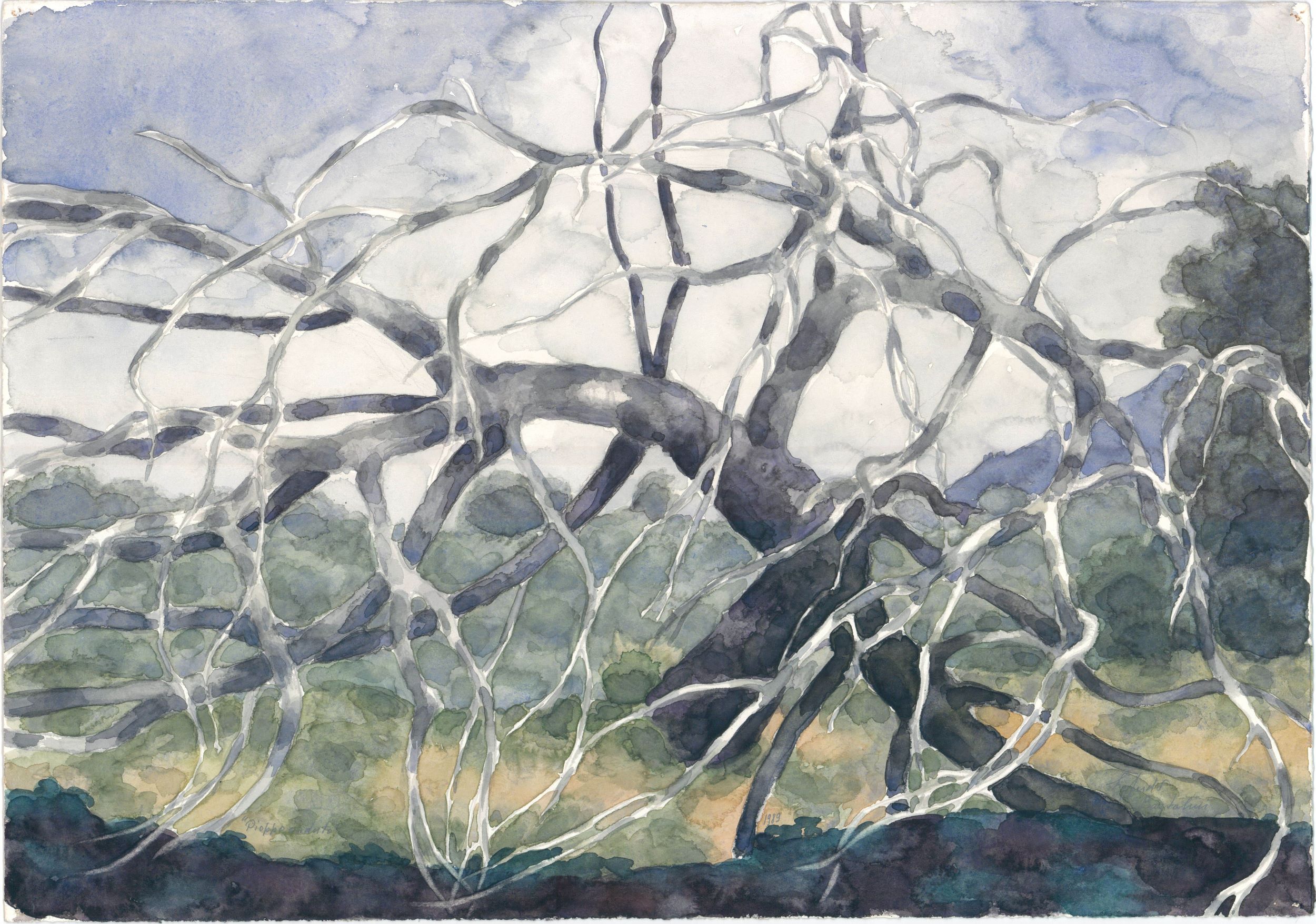
Pioppo caduto
Acquerello
cm 35 x 50, 1989
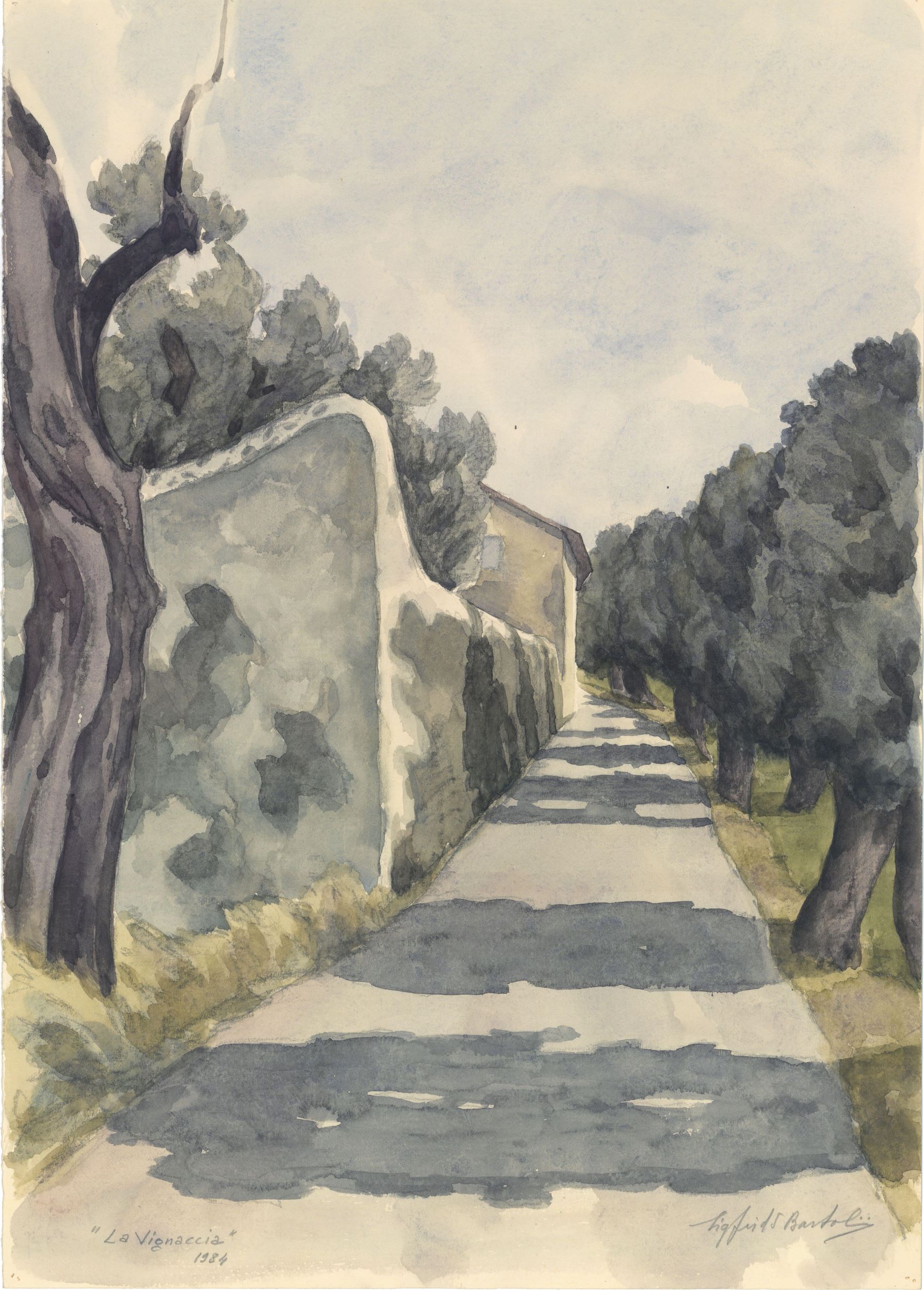
La Vignaccia
Acquerello
cm 50 x 35, 1984
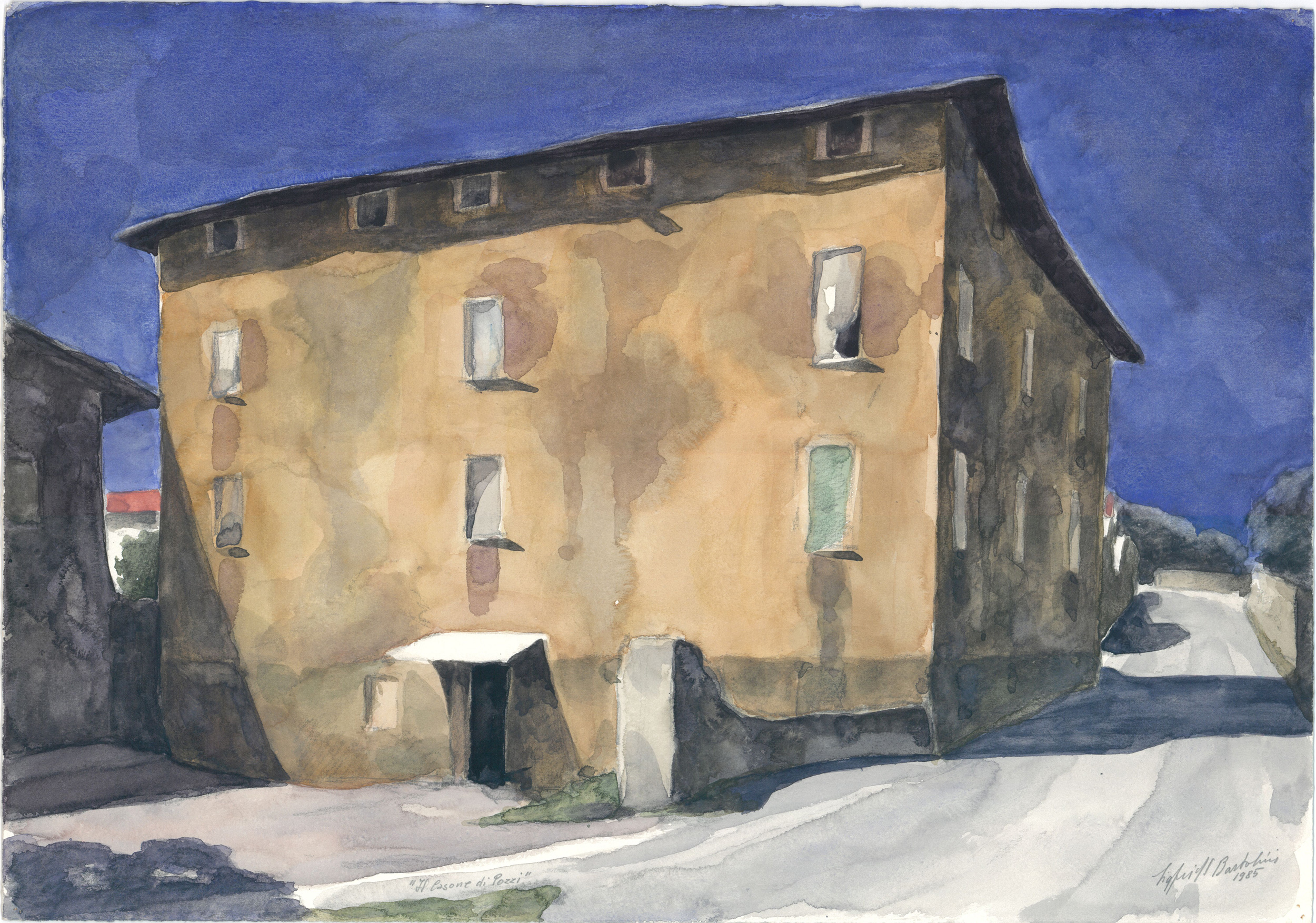
Il casone di Pozzi
Acquerello
cm 35 x 50, 1985
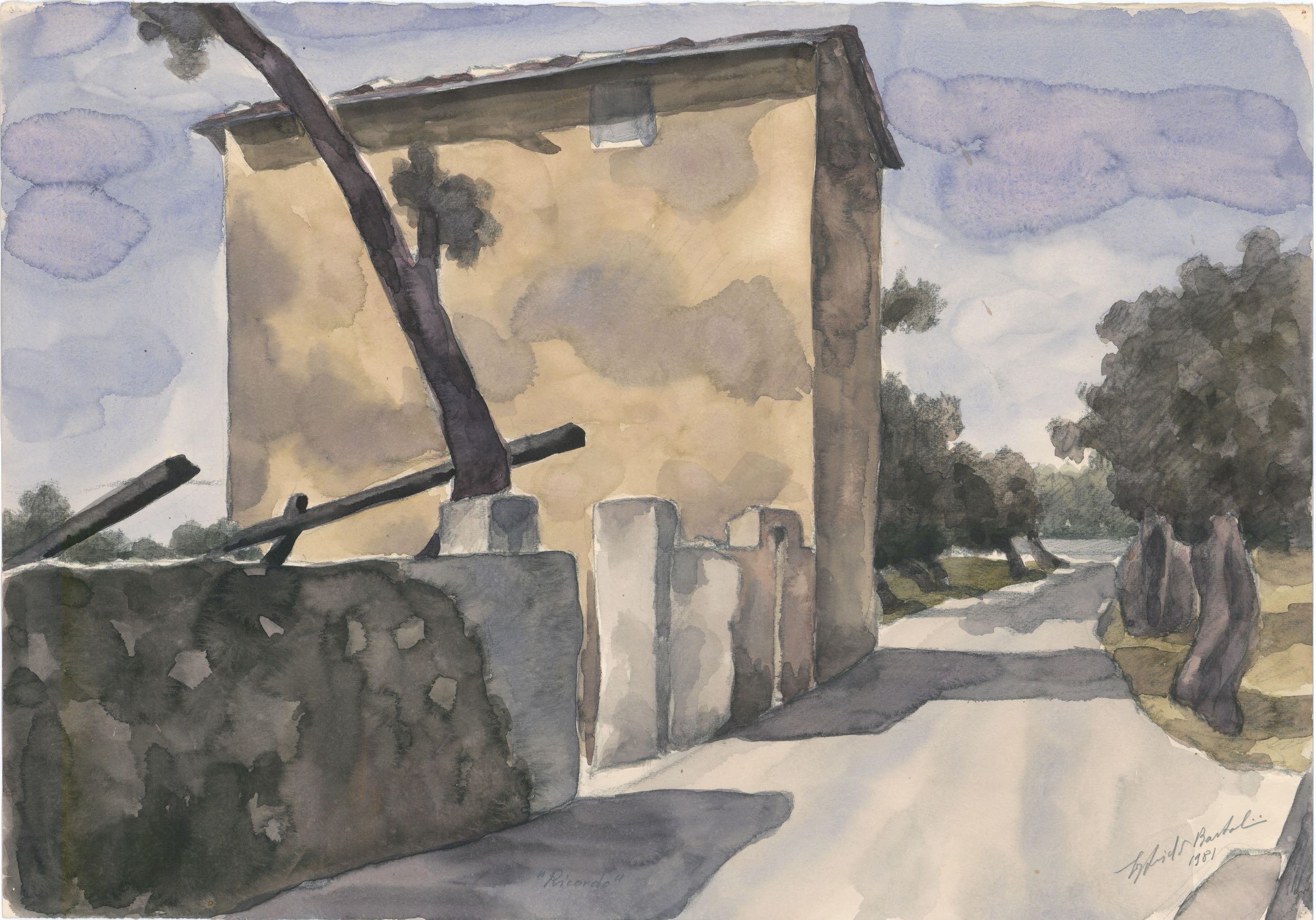
Ricordo
Acquerello
cm 37 x 53, 1981
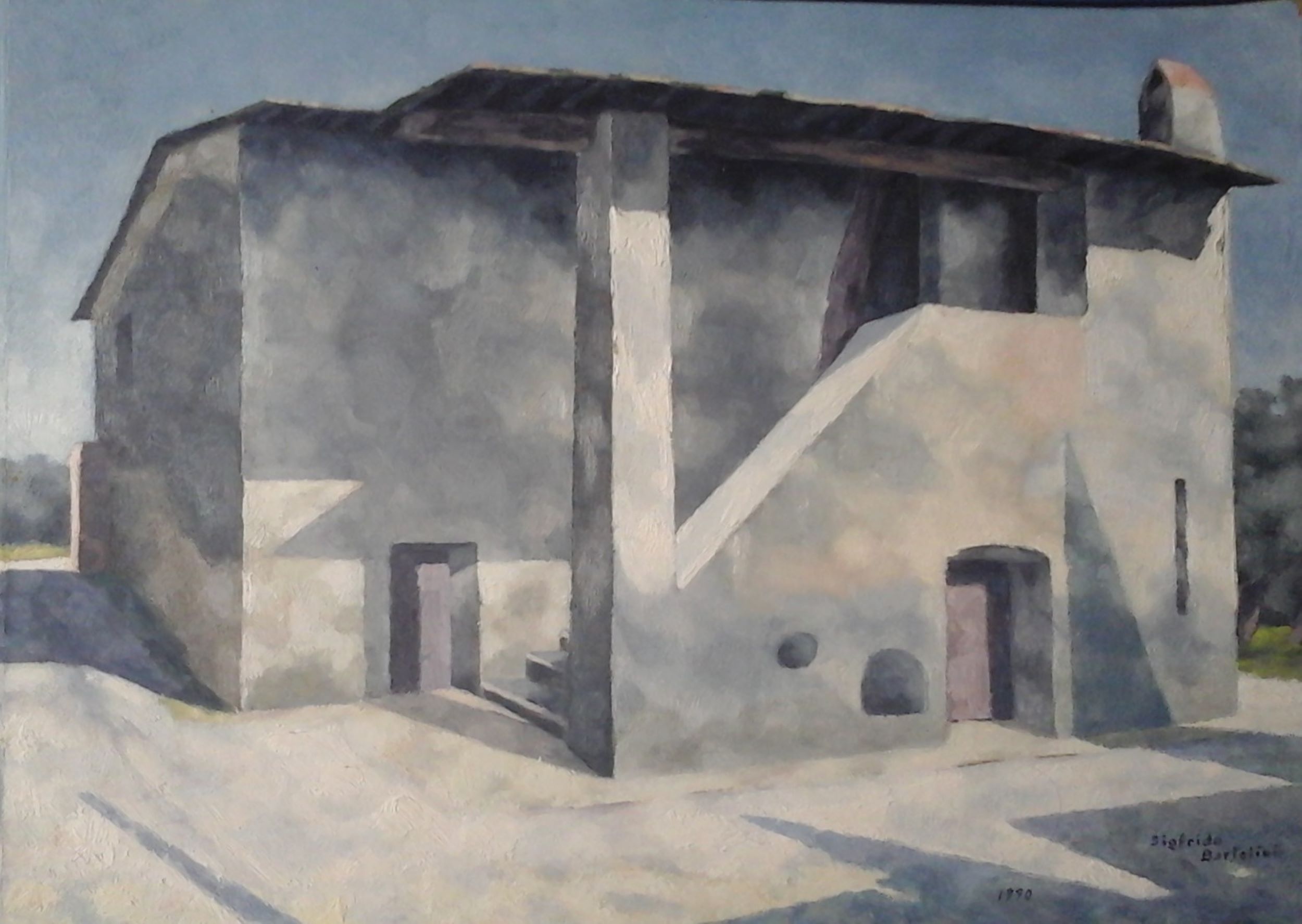
Casa versiliana
Olio su tavola
cm 50 x 70, 1990
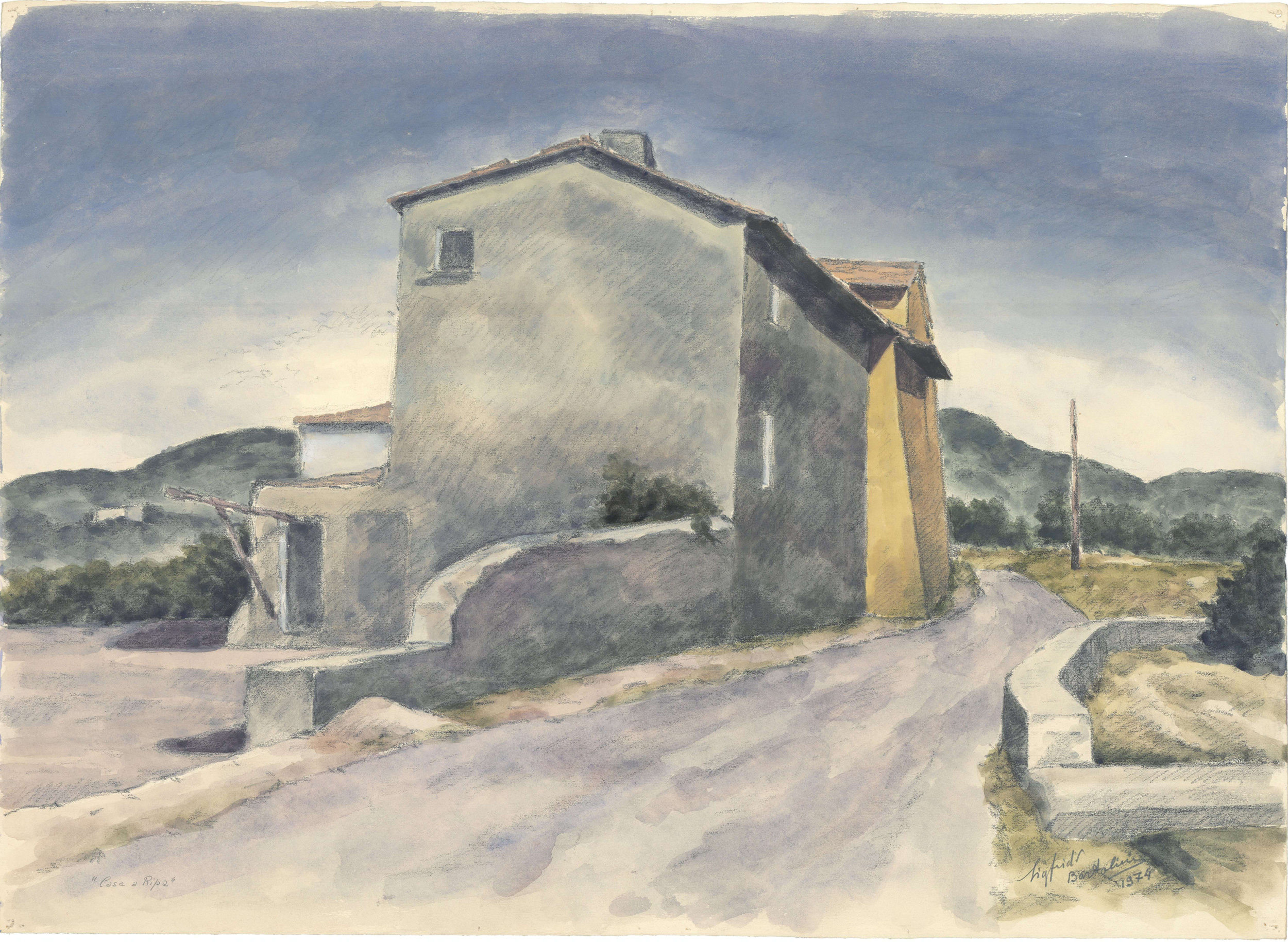
Casa a Ripa
Acquerello
cm 51 x 70, 1974
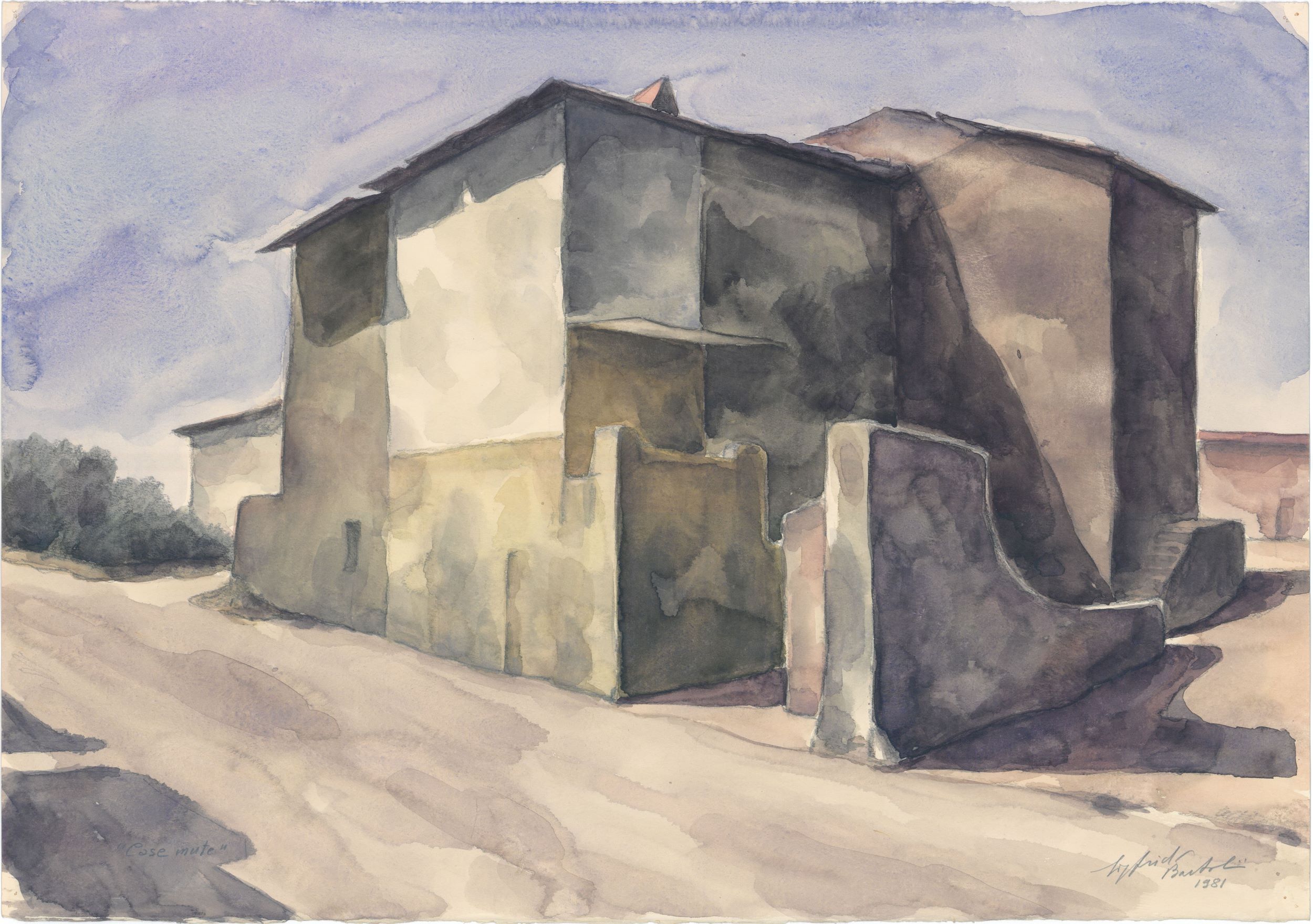
Case mute
Acquerello
cm 36 x 52, 1981
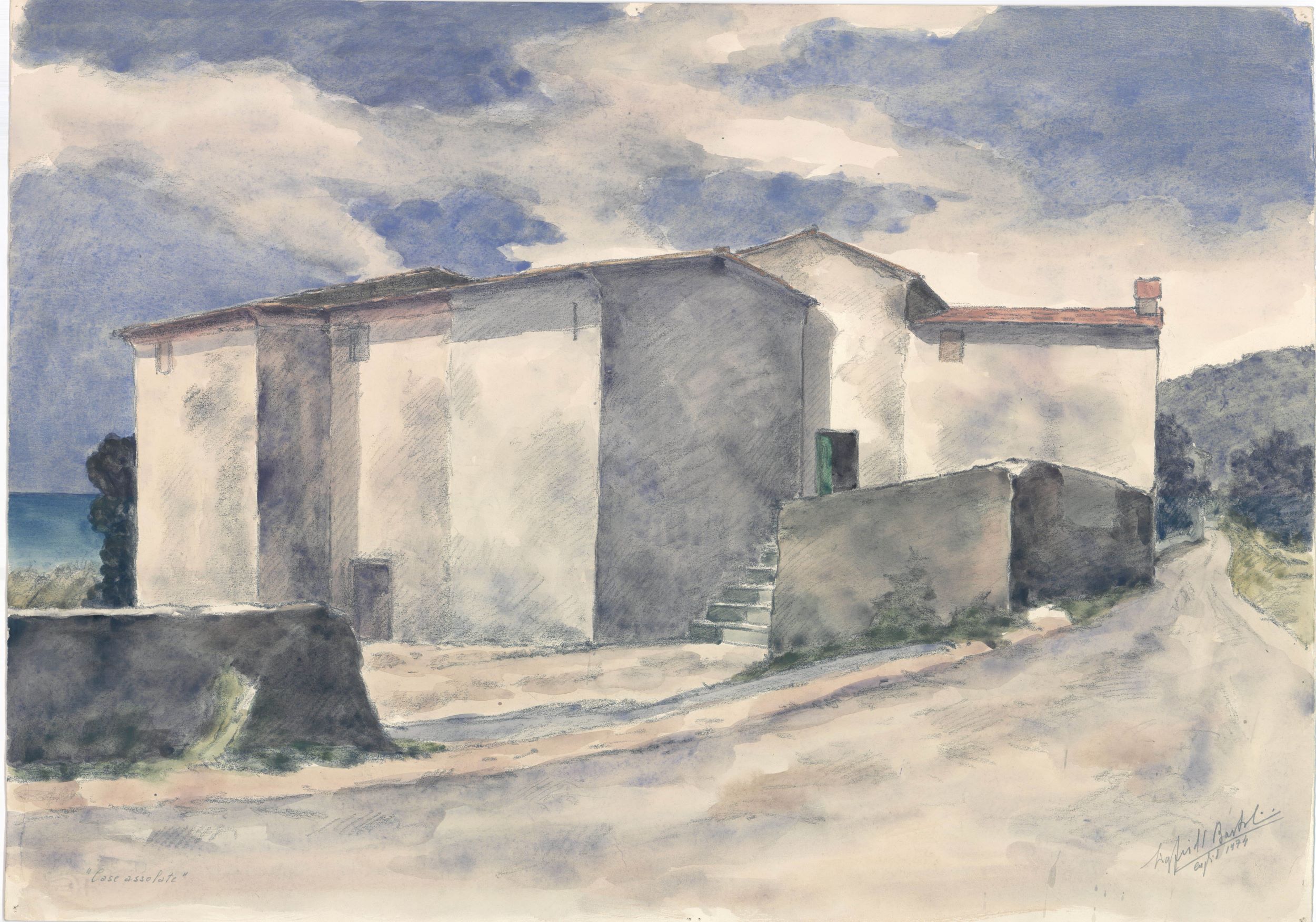
Casa assolata
Acquerello
cm 50 x 70, 1974
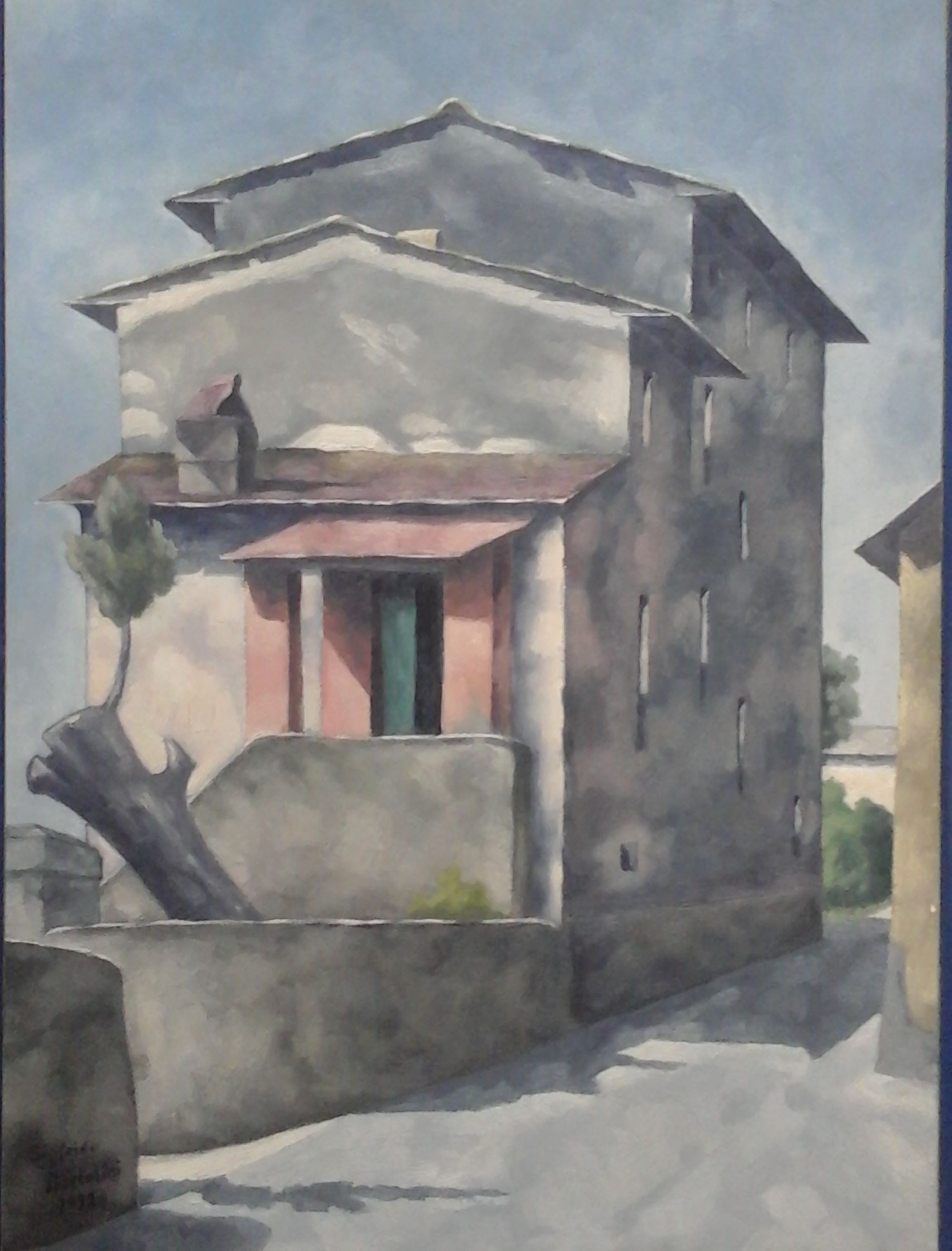
Casa a gradini
Olio su tavola
cm. 70 x 50, 1992
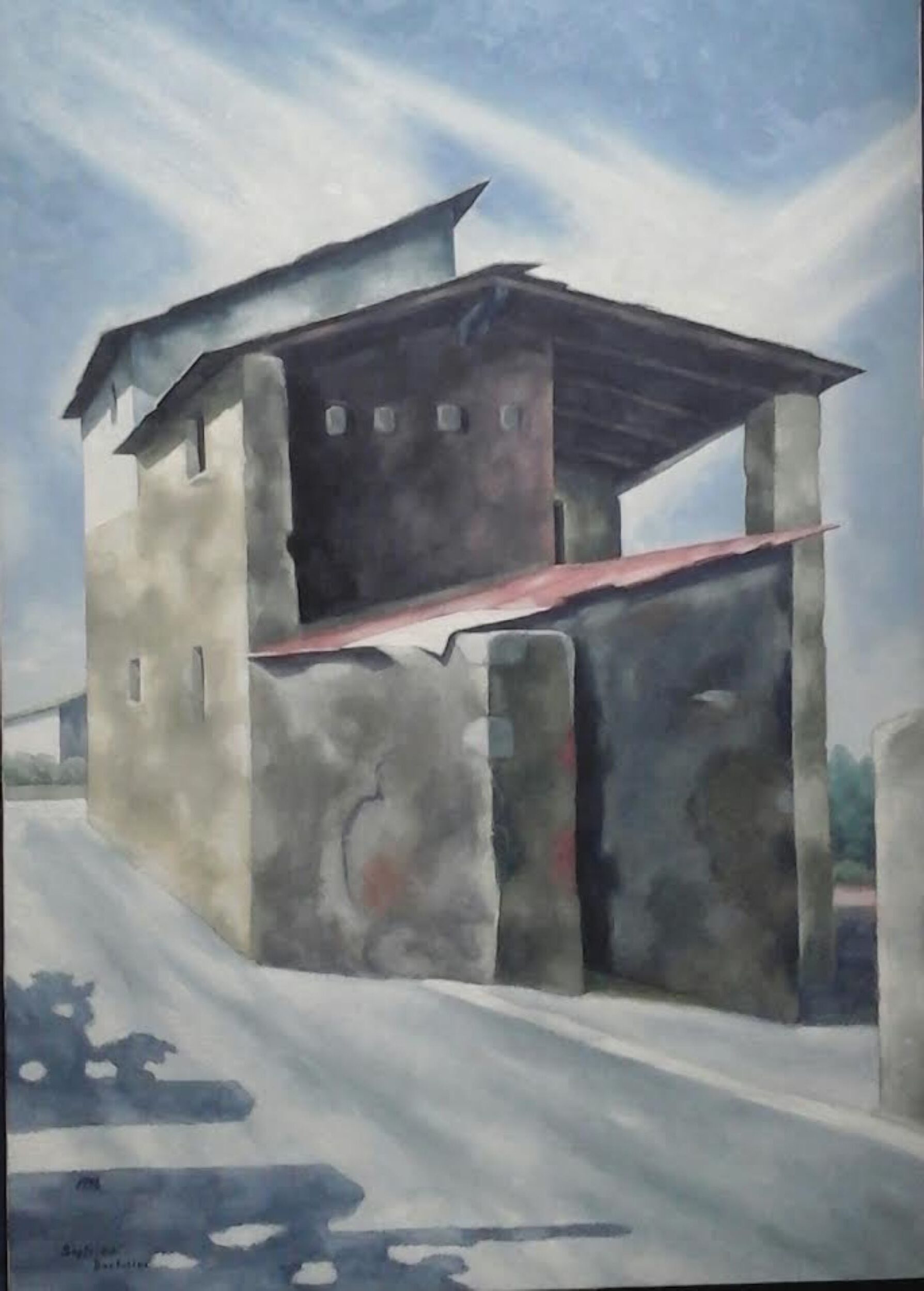
Ciò che resta
Olio su tela
cm 102 x 72, 1996
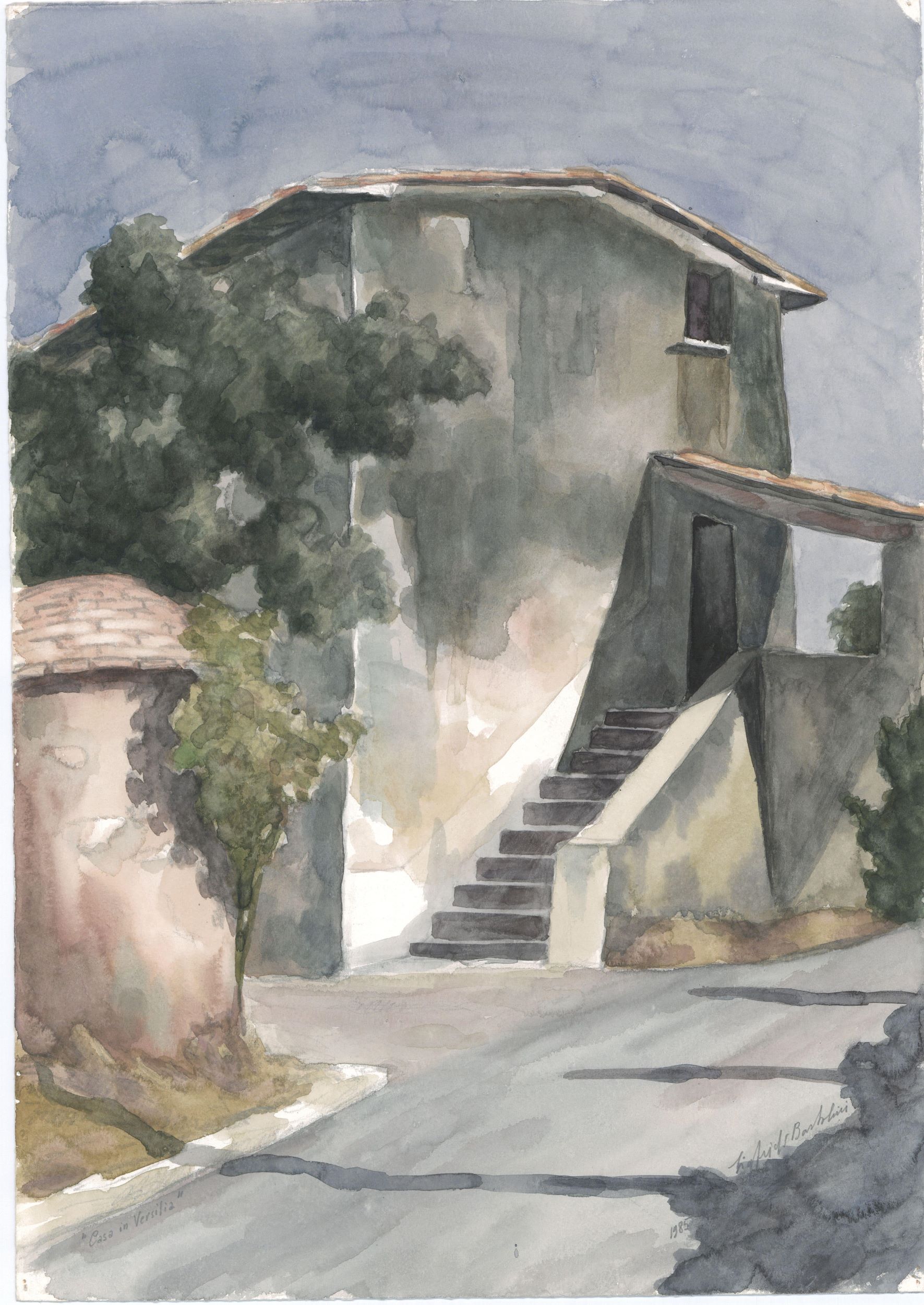
Casa in Versilia
Acquerello
cm 50 x 36, 1985
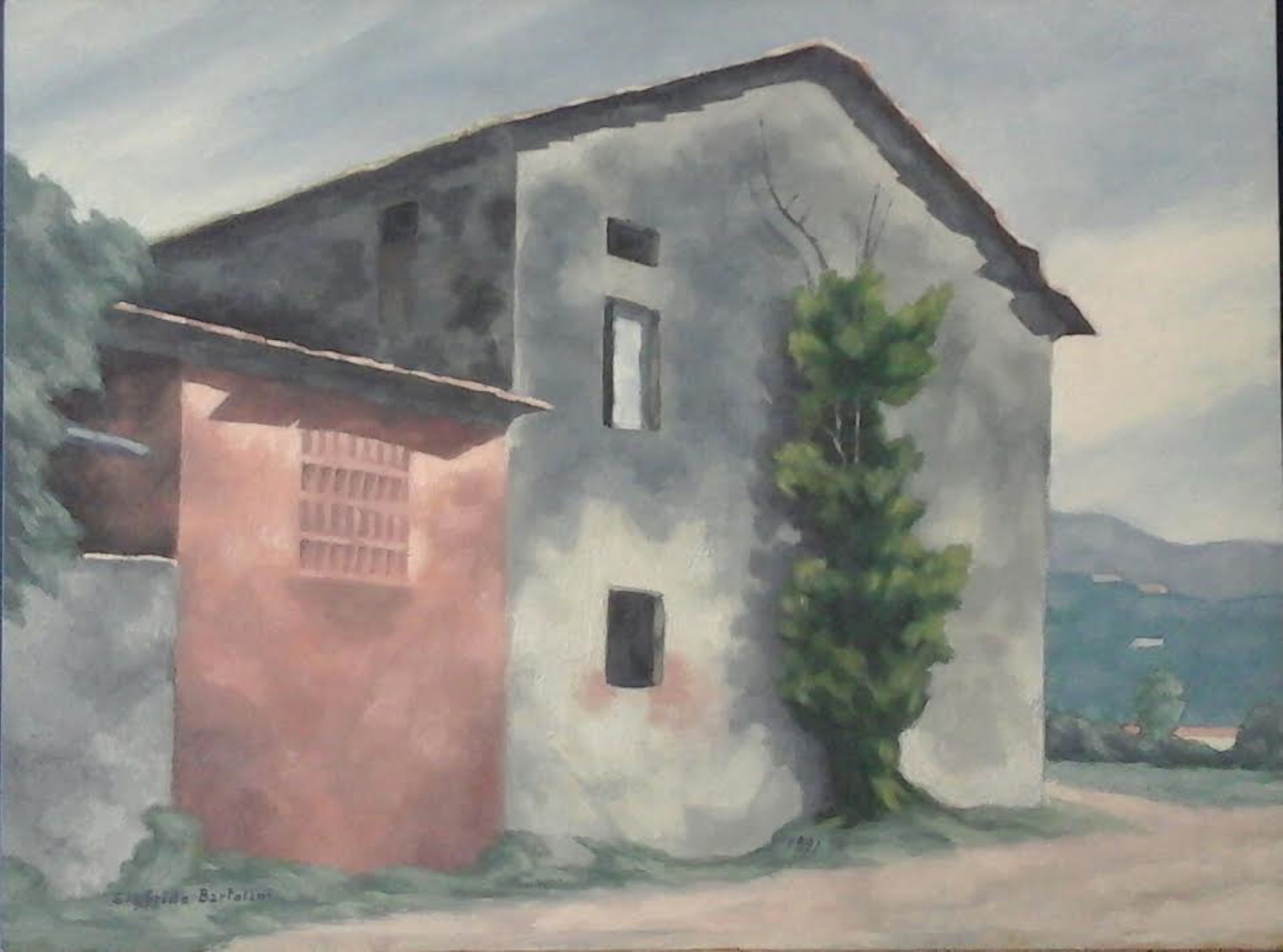
Meriggio
Olio su tela
cm 70 x 88, 1991
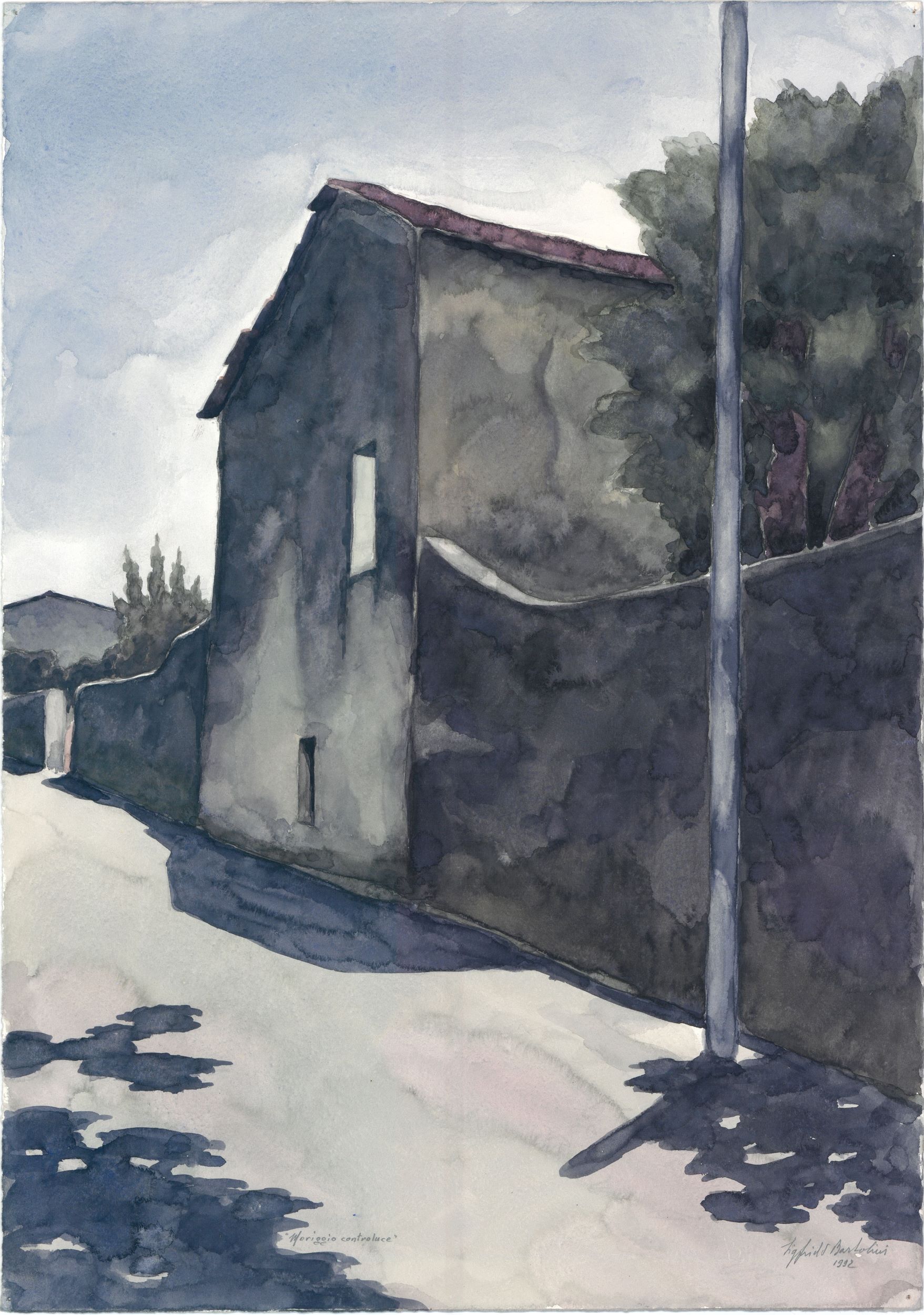
Meriggio controluce
Acquerello
cm 50 x 35, 1982
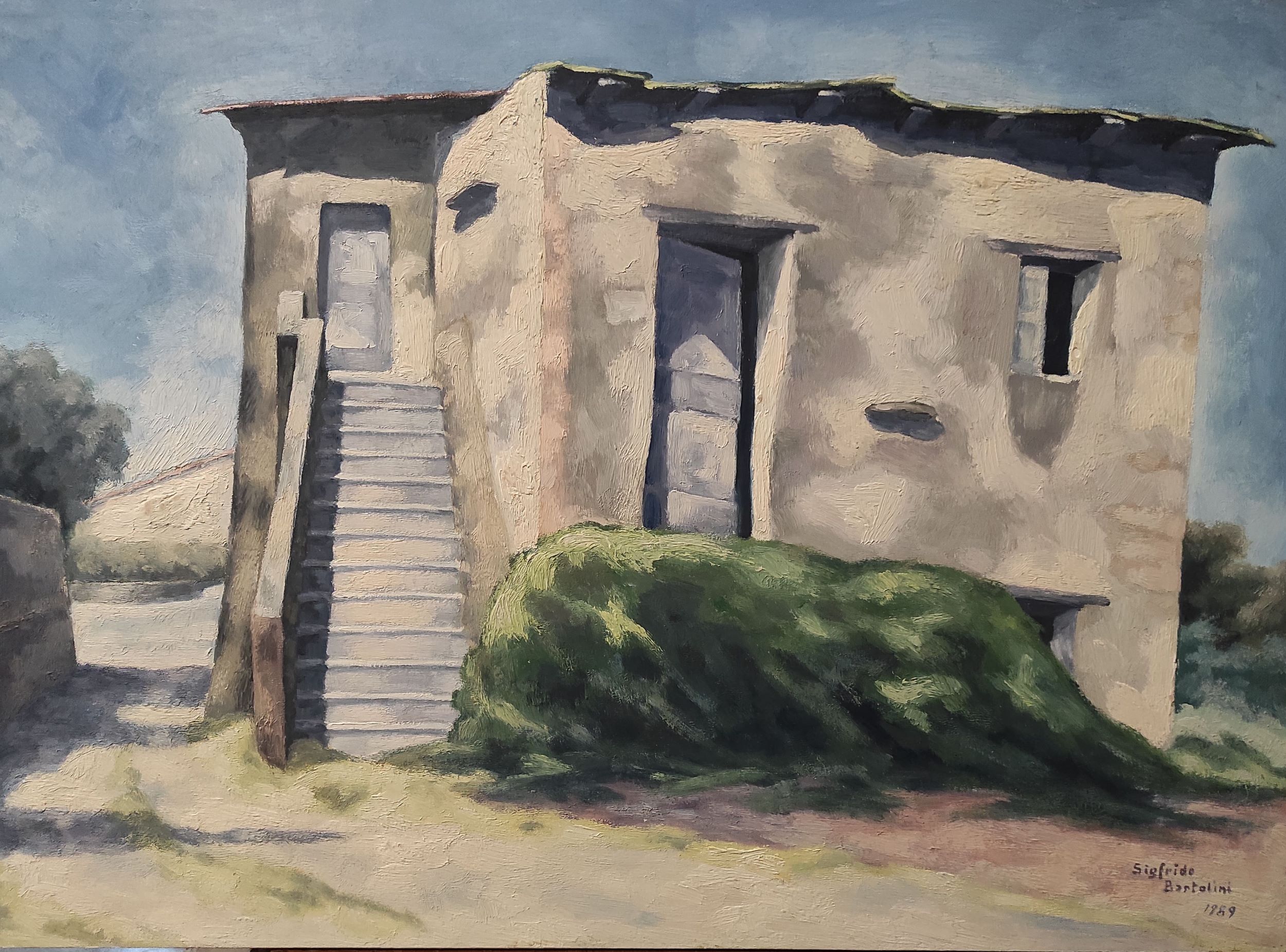
Abbandono
Olio su tavola
cm 52 x 71, 1989