
EXHIBITION
Gian Butturini
From London to free Derry
27 March > 12 June 2021
The exhibition at Galleria Studio Cenacchi in Bologna, curated by Gigliola Foschi and promoted by the Gian Butturini Association, takes a stand for freedom of speech, images and thought. It challenges a form of cancel culture that, without room for debate or discussion, led to the withdrawal in Britain of the photobook London by Gian Butturini (Damiani, 2017, a reprint of the original 1969 edition). In the process, the reputation of a man who spent his life opposing racism and injustice was called into question.
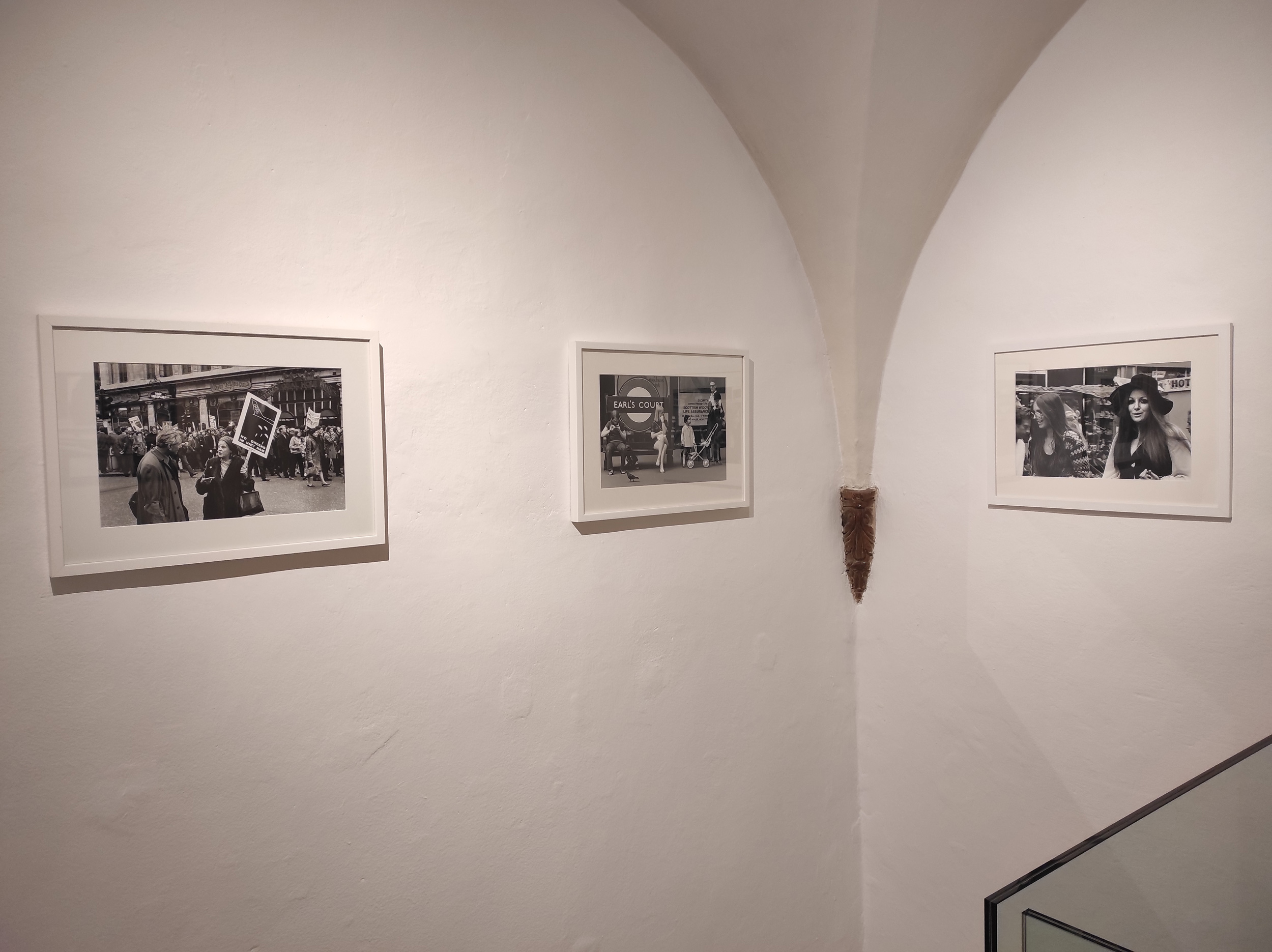
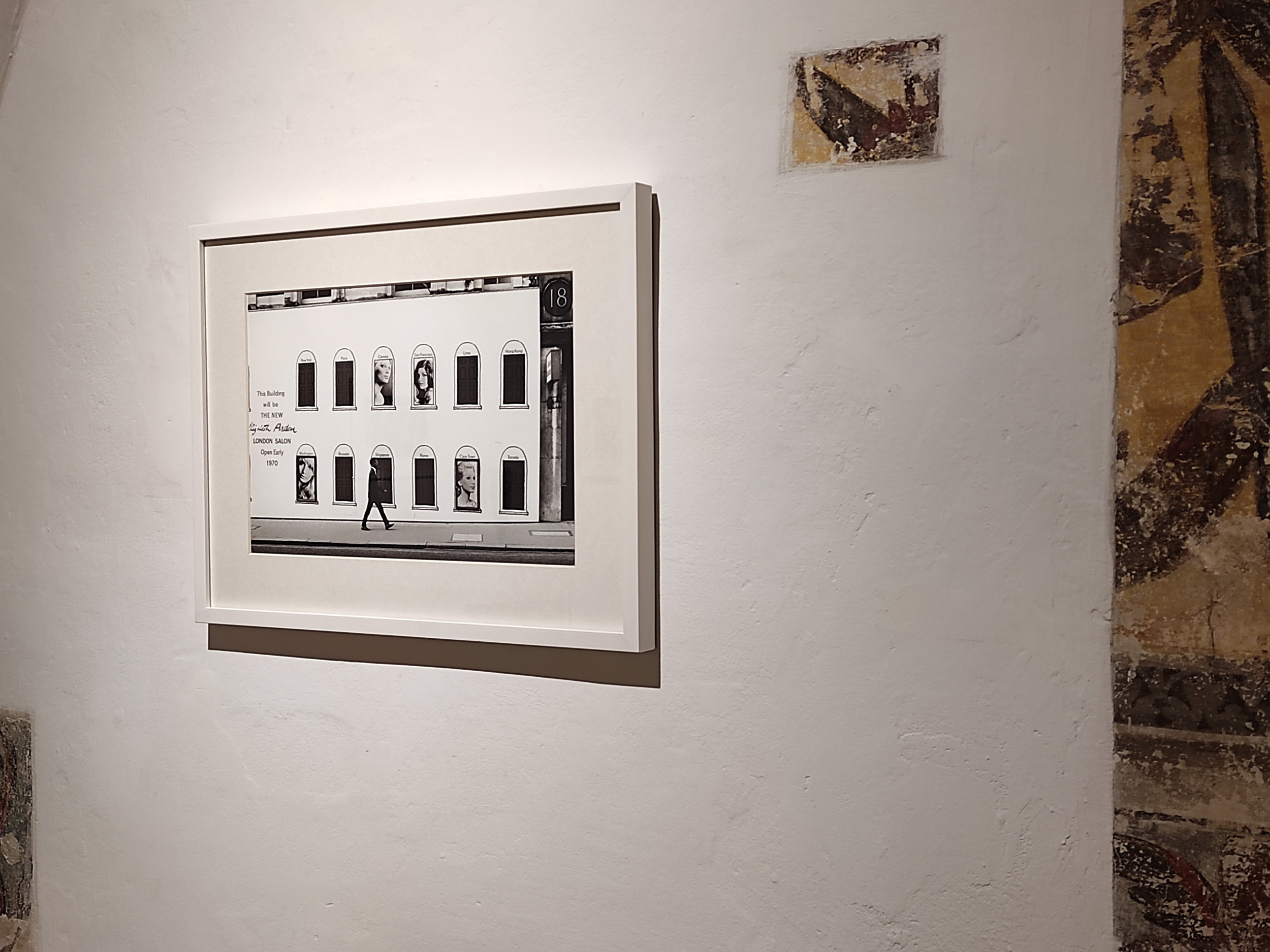
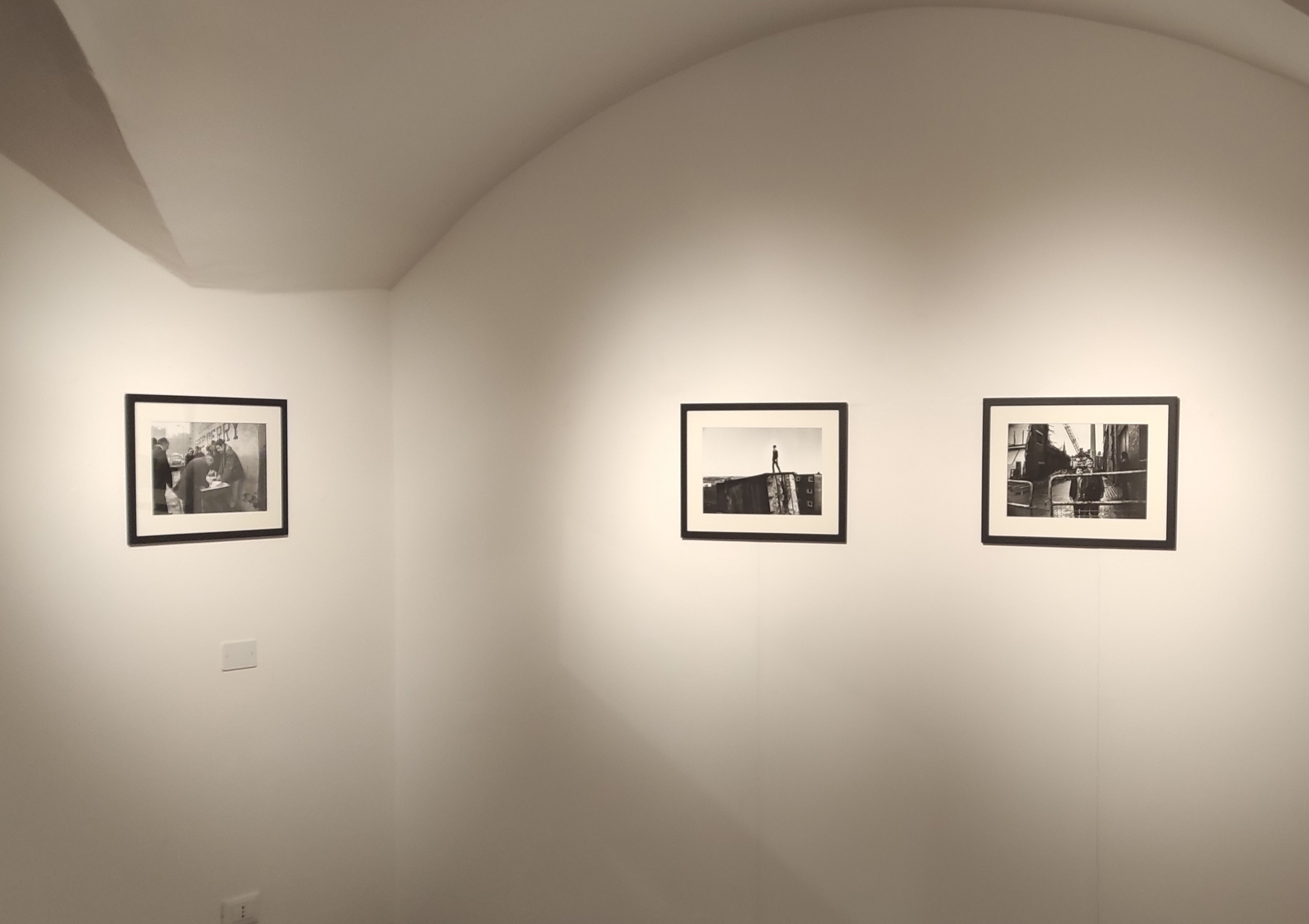
The exhibition presents some of the most significant photographs from Gian Butturini’s books on London in the late 1960s and the Troubles in Northern Ireland. Butturini photographed the latter just one week after Bloody Sunday, the massacre of January 1972.
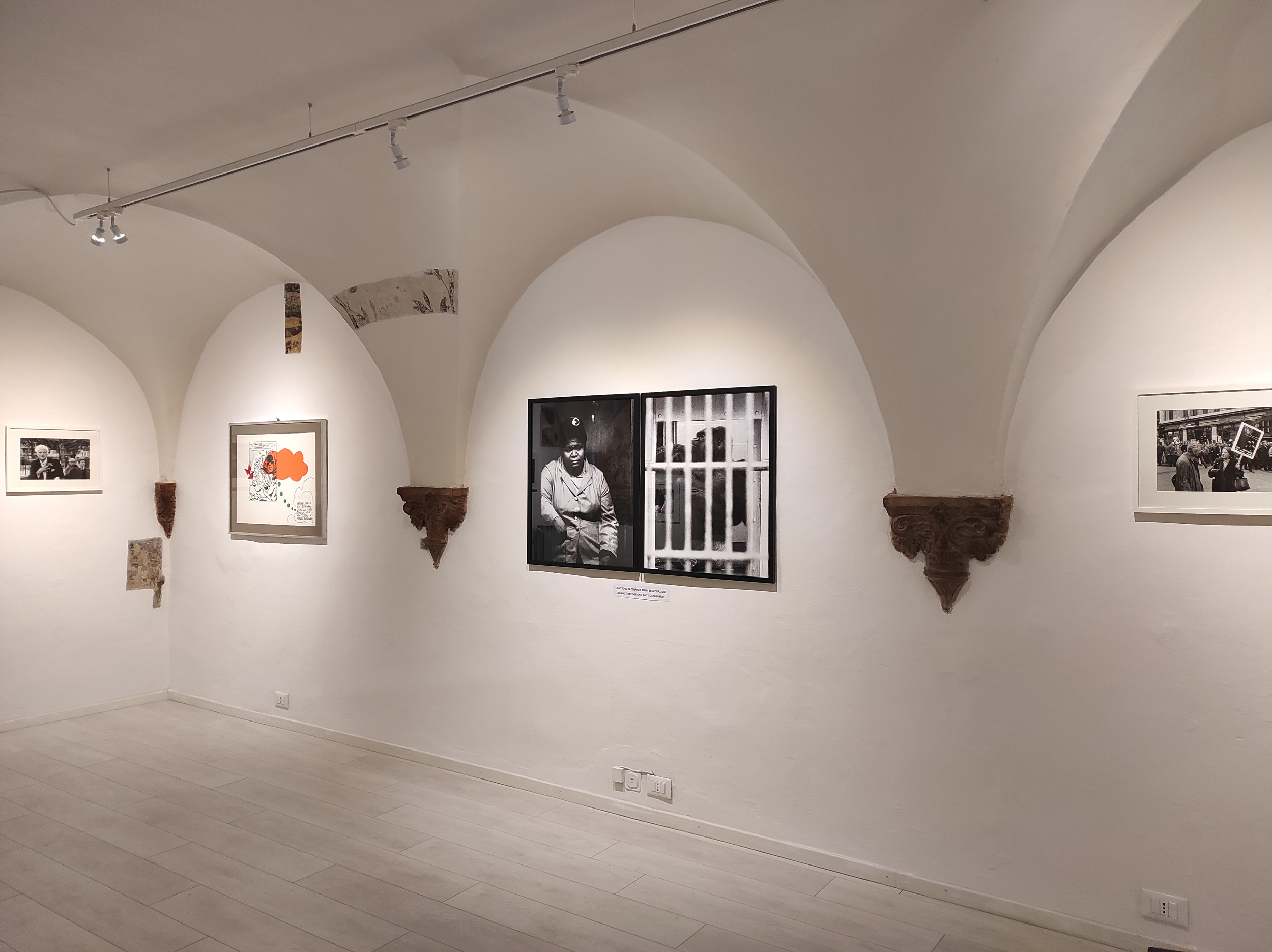
Also on display are works from the 1970s that reveal another side of Butturini’s practice. A photographer as well as a graphic and interior designer, he took well-known comic strips of the period and altered them with colour and provocative, confrontational texts. Batman and Nembo Kid become unlikely prophets of the counterculture, overturning the meanings imposed by the dominant culture of the time. Their inclusion in the exhibition also helps us understand the similarly ironic and subversive approach behind London.
LONDON BY GIAN BUTTURINI
Butturini’s deliberately provocative approach ultimately became the source of a serious misunderstanding that led to London being withdrawn from normal distribution. The book is still available from the gallery or directly from the Gian Butturini Association, with shipping costs added.
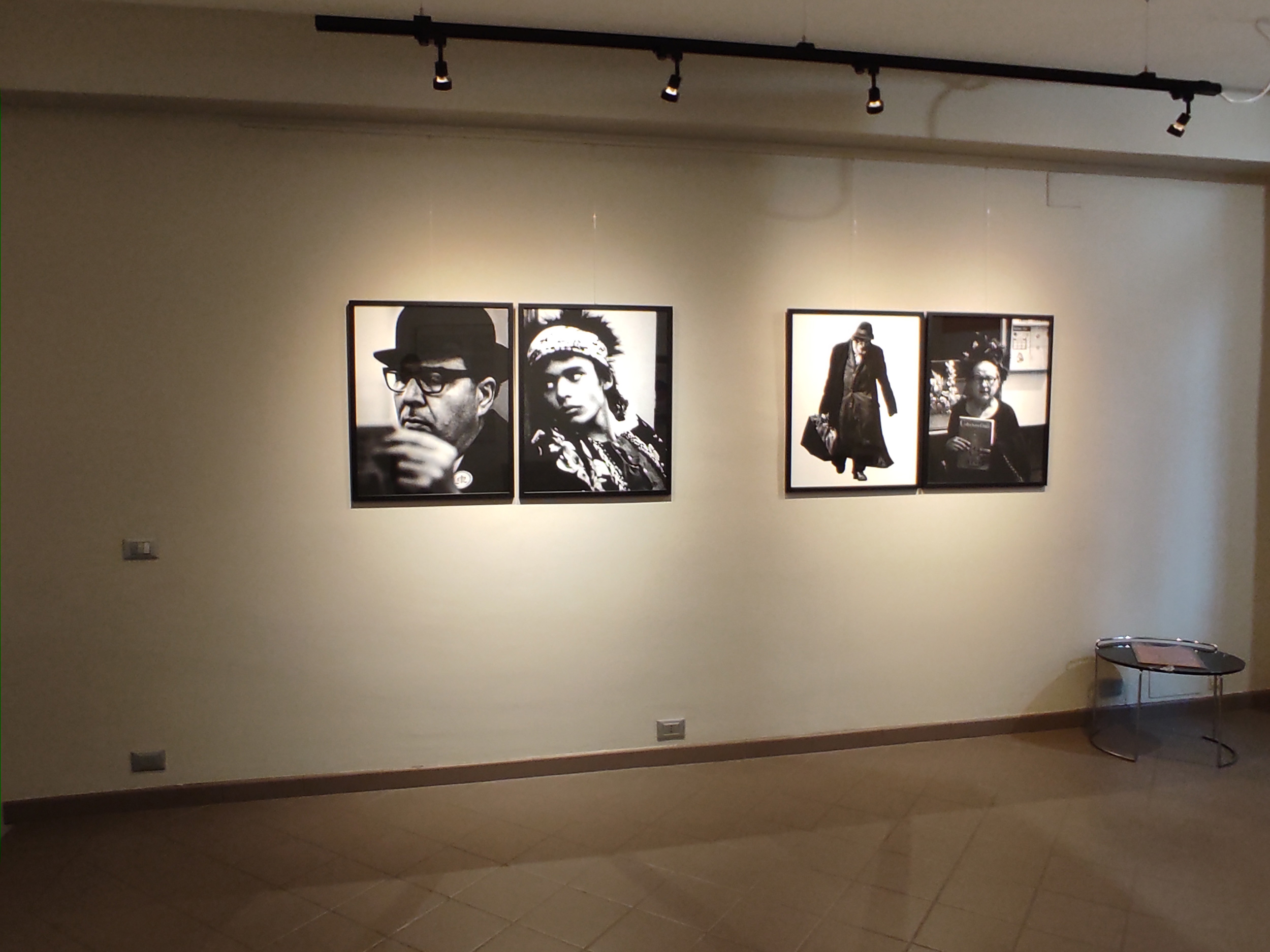
London by Gian Butturini was radical in both content and form. It portrayed London at the end of the 1960s from a perspective far removed from the polished image of the city. Butturini moved between the young people of Swinging London, girls in miniskirts, immigrants, Black Londoners, people living on the margins and inhabitants of the City.
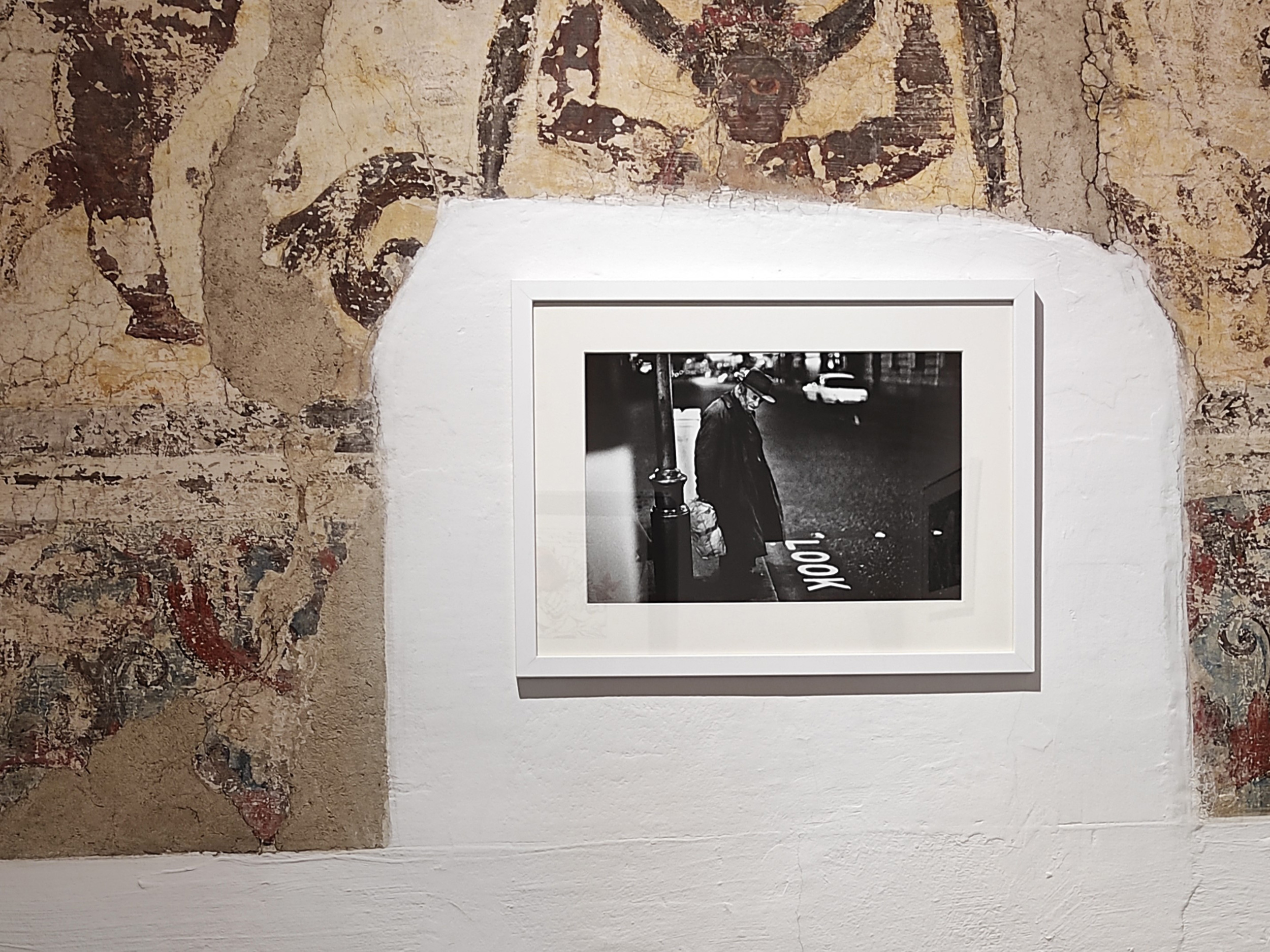
The book was equally unconventional in its visual language. Butturini treated each photograph according to the message he wanted it to convey. He cropped and darkened images, emphasised their grain, and placed them alongside graphic elements and texts, including a passage from the Gospel of Luke and lines from a poem by Allen Ginsberg. The troubled face of a hippie appears beside the stern expression of a City financier. Against a white background, a homeless man emerges with striking presence and dignity alongside an elegant woman holding a luxurious Collectors Guide.
GIAN BUTTURINI: THE BLACK WOMAN–GORILLA DIPTYCH AND CANCEL CULTURE
Butturini repeatedly used unexpected juxtapositions to unsettle the viewer. In one of the book’s most controversial sequences, he photographed with empathy and compassion a Black woman enclosed in a glass booth on the London Underground and placed her image beside that of a gorilla behind the bars of London Zoo. In Butturini’s own words, the animal ‘receives with imperial dignity, on his frowning face, the jokes and peel thrown at him by his nephews in ties’.
The passage makes clear the intention behind the diptych: to condemn racial and social humiliation and segregation. The woman is confined within the invisible prison of repetitive work; the gorilla within the physical enclosure of the zoo.
Years later, celebrated British photographer Martin Parr came across the original 1969 edition of London and recognised what he described as ‘a neglected gem’. Among other initiatives, Parr persuaded Damiani to republish the book in 2017 and contributed a foreword.
Controversy followed. After receiving a copy of the book as a gift, a young Black British woman interpreted the juxtaposition of these two photographs as a racist equation between a Black woman and a monkey. During the intense public debate surrounding Black Lives Matter, political correctness and what has been described as ‘woke’ culture, her criticism on Twitter spread rapidly across social media. The backlash eventually led Martin Parr, in July 2020, to step down from the Bristol Photo Festival and call for the book to be withdrawn.
GIAN BUTTURINI: BLOODY SUNDAY
Butturini’s determination to use photography as a witness to injustice can also be seen in his photobook Dall’Irlanda dopo Londonderry. Here he adopted a more traditional documentary approach, recording the events unfolding during those tragic days and placing himself firmly on the side of those who were suffering.
His photographs convey an atmosphere of constant threat: barricades, anti-vehicle obstacles, barbed wire, soldiers carrying automatic weapons and burnt-out cars. Yet Butturini also turned his attention, with warmth and empathy, to the many children caught up in the conflict — innocent victims growing up amid violence and poverty.
GIAN BUTTURINI: BIOGRAPHY
Gian Butturini (1935–2006) was an international photojournalist and a versatile visual communicator. He first established himself in Brescia as a designer and interior architect.
In 1969 he published London by Gian Butturini. The book was reissued by Damiani in 2017 with a foreword by Martin Parr.
Over the course of his career, Butturini produced forty photography books, including Cuba 26 Luglio, Dall’Irlanda dopo Londonderry, Tu Interni Io Libero with Franco Basaglia, C’era una volta il Muro, DONNE lo sguardo, le storie, with an introduction by Carla Cerati, and two volumes devoted to Chilean history. In his autobiographical DAIQUIRI, published by Mimesis, he recounted his experiences as a photojournalist.
His photographs have been exhibited in Strange and Familiar at the Barbican Centre in London, at Manchester Art Gallery, and at Somerset House for Photo London 2018.
As a filmmaker, Butturini produced documentaries including Crimini di Pace, with music by Luigi Nono, and Bologna, 10.15 strage. He also directed Il Mondo degli Ultimi, starring Lino Capolicchio, which received awards at international film festivals.
Today, the Gian Butturini Association works to preserve and promote his cultural legacy.
Il Resto del Carlino – Bologna 26 marzo 2021
La Repubblica – Bologna 27 marzo 2021
Corriere della Sera – Bologna 30 marzo 2021
Corriere della Sera – Bologna 26 maggio 2021
Discorsi Fotografici 31 marzo 2021
Immaginare dal vero 31 marzo 2021
Espoarte 1 aprile 2021
Gente di fotografia (numero 76) maggio 2021
Gian Butturini
From London to free Derry
27 March > 12 June 2021
The book London by Gian Butturini is available at the gallery
27 March 7 pm
Live opening
GUARDALA QUI
7 April 9 pm
Approfondimento sulla mostra con:
Laura De Marco, lecturer, founder of Spazio Labò, Bologna
Gianluca Cettineo, writer, author of books on Ireland
Daniele De Luigi, curator, Fondazione Modena Arti Visive
Gigliola Foschi, curator of the exhibition
Marta and Tiziano Butturini, Associazione Gian Butturini
Jacopo Cenacchi, founder of Galleria Studio Cenacchi
GUARDALO QUI
25 May 11 am
The world of images and cancel culture, with:
Martin Parr (written contribution)
Matteo Bergamini, journalist, editor-in-chief of Exibart
Marta and Tiziano Butturini, Associazione Gian Butturini
Giuseppe Culicchia, writer
Denis Curti, artistic director, Casa dei Tre Oci
Gigliola Foschi, curator of the exhibition
Federico Montaldo, lawyer and photography critic
Jacopo Cenacchi, founder of Galleria Studio Cenacchi
GUARDALO QUI
GALLERIA STUDIO CENACCHI
Via Santo Stefano 63
40125 Bologna
OPENING HOURS
Tuesday–Saturday: 4.30–7.30 pm
Monday: by appointment
Sunday: closed